Finding the Best Roofer for Long-Term Protection
Expert Roofing Contractors: Superior Solutions for Your House
Leading roofing contractors deliver essential services that guarantee the longevity and durability of residential roofs. Their expertise and devotion to quality are visible through excellent customer feedback and the use of high-grade materials. Homeowners commonly face issues when selecting the right contractor. Understanding the common services offered and the traits that define these professionals can significantly influence this decision. What factors should be considered to ensure a reliable choice?
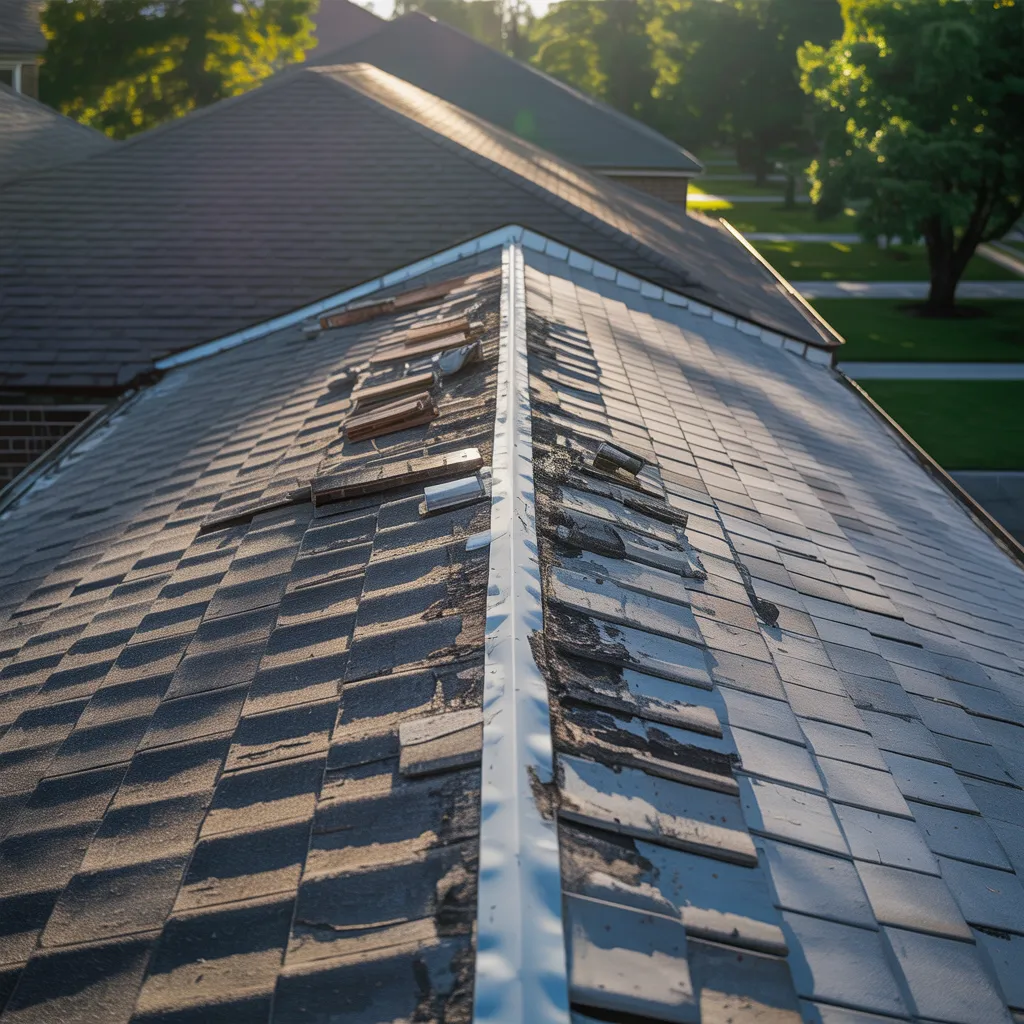
Why Select Leading Roofing Contractors?
When home residents experience roofing difficulties, choosing top-rated roofing contractors can greatly impact the quality and lifespan of the replacement or repair. These experts commonly possess a wealth of experience and expertise, guaranteeing that the work is executed to superior standards. Their standing is typically based on strong client feedback, which stands as a credible reflection of their quality and reliability.
Additionally, top-rated contractors are more likely to use premium materials, which can boost the durability of the roof and minimize the probability of future problems. They also often offer warranties on their work, delivering homeowners with confidence. Beyond that, these professionals stay up-to-date with industry developments and regulations, maintaining compliance and safety. Ultimately, choosing premier roofing contractors can produce a more efficient repair process, guaranteeing that homeowners invest wisely in their residence's protection and value.
Typical Roofing Services Provided by Specialists
Highly-rated roofing contractors usually deliver a spectrum of services developed to tackle different roofing needs. Among the most typical services are roof inspections, which help discover prospective issues before they progress into costly repairs. Contractors also focus on roof repairs, resolving leaks, damaged shingles, and structural issues. For homeowners looking for a new look or improved performance, roof replacement services are commonly available, encompassing both material selection and installation.
Furthermore, maintenance services, like cleaning gutters and removing debris, are critical for extending the lifespan of a roof. Many contractors offer installation of roofing accessories, including ventilation systems and skylights, boosting energy efficiency and aesthetics. Additionally, some professionals provide emergency services for situations that require immediate attention, guaranteeing safety and security. Overall, these services demonstrate the extensive expertise of top-rated roofing contractors, catering to the unique needs of homeowners.
Vital Features to Evaluate in Roofing Contractors
Identifying the right roofing contractor necessitates thorough assessment of multiple essential traits that can demonstrate trustworthiness and skill. First, a credible contractor should possess valid licensing and insurance, securing adherence to local regulations and defending homeowners from liability. Experience in the roofing industry is essential, as it indicates expertise in handling various roofing systems and challenges.
In addition, a strong portfolio of completed projects can showcase the contractor's work quality and meticulousness. Communication skills are equally crucial; a quality contractor should be approachable, forthright, and eager to describe the process completely.
Moreover, strong customer feedback and testimonials can deliver insights into the contractor's dependability and quality of service. Finally, a pledge to using quality materials and giving warranties demonstrates a contractor's commitment to enduring customer contentment. By evaluating these attributes, homeowners can discover a dependable roofing contractor who will address their requirements effectively.
Important Questions to Ask Roofing Professionals?
What essential inquiries must homeowners pose when selecting roofing contractors? To begin with, they should question the contractor's licensing and insurance standing to confirm compliance with local regulations and protection against potential liabilities. Homeowners should also inquire about the contractor's experience, specifically with the specific roofing materials and installations they intend to use.
In addition, grasping the projected timeline for project completion can help to handle expectations. Homeowners should ask for a detailed written estimate, specifying costs and payment schedules to prevent surprises later.
Moreover, examining the warranty on both materials and workmanship is crucial for enduring peace of mind. Homeowners should also request references from past clients to evaluate satisfaction and reliability. Additionally, discussing safety protocols and the handling of unexpected issues can offer insight into the contractor's professionalism and preparedness. These questions can greatly influence the selection of a qualified roofing contractor.
Methods to Assess Reviews of Roofing Contractors
Reviewing reviews of roofing contractors requires a meticulous analysis of multiple key factors. It is important to verify overall ratings, analyze specific comments shared by past clients, and look for consistent patterns in feedback. This methodical approach can support homeowners come to informed decisions when selecting a contractor.
Assess General Reviews
How does one determine the quality of roofing contractors among a sea of online reviews? Evaluating overall ratings serves as an ideal starting point. Potential clients should identify contractors with consistently high ratings across multiple platforms, such as Google, Yelp, and Angie's List. A minimum average rating of four stars can indicate a reliable service provider, though it is essential to examine the volume of reviews as well. A contractor with a high rating but few reviews may not reflect a well-rounded reputation. Moreover, monitoring trends in ratings over time can reveal whether a contractor is preserving quality or experiencing deterioration. This approach allows homeowners to filter candidates effectively and focus on those with proven track records in the roofing industry.
Evaluate Individual Comments
When evaluating the quality of roofing contractors, analyzing specific comments in reviews can provide valuable insights. Detailed feedback often showcases a contractor's strengths and weaknesses, exposing aspects such as workmanship, reliability, and communication skills. Customers may communicate their experiences regarding project timelines, cleanliness during construction, and responsiveness to inquiries. Positive comments can show a contractor's ability to deliver satisfactory results, while negative remarks might raise concerns about potential issues. Furthermore, comments that mention specific projects or materials can help evaluate a contractor's expertise in particular areas. By focusing on these specific details rather than general impressions, homeowners can make more informed decisions when hiring a roofing contractor that fits their needs and expectations.
Search For Patterns
Review patterns can uncover vital details about roofing contractors that might not be readily obvious. By evaluating several customer reviews, homeowners can identify recurring themes regarding a contractor's quality, reliability, and customer Roofers service. For instance, if several feedbacks underscore punctuality and clear correspondence, it may suggest a contractor's commitment to professionalism. Conversely, consistent complaints about inadequate craftsmanship or scheduling problems could signal potential issues. Additionally, analyzing the context of ratings—whether they are fresh or extend over time—can reveal information about a contractor's existing work standards. Homeowners should also consider the volume of feedback, as a larger number can lend credibility to the feedback. Ultimately, identifying these trends aids in making knowledgeable selections when hiring a roofing contractor.
Roofing Costs: What Homeowners Should Expect
Calculating roofing costs can be a complex endeavor for many homeowners. Various factors contribute to the overall expense, including the roofing material, the dimensions of the roof, and the complexity of the installation. For instance, asphalt shingles typically provide a more budget-friendly option, while materials like slate or metal can significantly increase costs due to their durability and aesthetic appeal.
Homeowners should also consider labor costs, which can fluctuate depending on region and contractor experience. Extra costs can stem from necessary repairs or upgrades to underlying structures, such as insulation or ventilation. It is prudent for homeowners to secure multiple estimates from reputable roofing contractors to ensure a comprehensive understanding of the potential costs. By doing so, they can properly organize their budgets and make informed decisions regarding their roofing projects, resulting in a successful and satisfactory outcome.
Best Practices for Maintaining Your Roof After Installation
Maintaining a roof after installation is essential for its longevity and performance. Routine inspections can help identify potential issues early, while consistent gutter cleaning prevents water buildup and damage. These proactive measures contribute greatly to preserving the integrity of the roofing system.
Consistent Inspections Are Important
Though many homeowners may overlook the critical nature of roof inspections post installation, these inspections are vital for maintaining long-term resilience and performance. Regular inspections permit roofing contractors to detect potential issues early, such as loose shingles, leaks, or signs of wear that could result in costly repairs if ignored. It is recommended that homeowners schedule inspections at least yearly, as well as after severe weather events. Professional evaluations can help preserve the roof's integrity and prolong its lifespan. Additionally, documenting inspection findings delivers valuable insights for future maintenance and insurance claims. By making a priority of regular evaluations, homeowners can preserve their investment and confirm their roof continues to offer reliable shelter for years to come.
Maintain Clean Gutters Often
A well-maintained gutter system is vital for safeguarding the integrity of a roof. Blocked gutters may result in water overflow, resulting in damage to both the roof and the home's foundation. Regular cleaning, ideally twice a year, helps prevent this issue. Homeowners should inspect gutters for debris, leaves, and obstructions, ensuring proper water flow. If necessary, they may consider installing gutter guards to minimize maintenance. Additionally, it is important to examine downspouts for obstructions and guarantee they direct water away from the home. By maintaining clear gutters, homeowners can safeguard their roofing investment and prolong the lifespan of their roof, ultimately saving on costly repairs in the future. Routine gutter upkeep is a straightforward yet efficient method for long-term roof maintenance.
Your Questions Answered
What's the Timeline for a Standard Roofing Project?
An average roofing project generally takes between one and two weeks to finish, depending on factors such as the size of the project, weather conditions, and the variety of materials being used for the roofing work.
What Warranty Options Are Commonly Provided by Roofing Contractors?
Roofing contractors typically offer warranties that include coverage for workmanship and materials, ranging from 10 to 50 years. Such warranties ensure protection against defects and give peace of mind for homeowners related to the longevity of their roofing investment.
Is It Possible to Install a New Roof Over My Current Roof?
Yes, installing a new roof over an existing one is possible, frequently termed "roof overlay." However, it is essential to consider local building regulations, the structural condition, and potential long-term issues before beginning.
What Action Should I Take if My Roof Develops Leaks After Installation?
When a roof experiences leakage following installation, the homeowner should reach out to the contractor right away for inspection. Quick action is critical to handle possible problems, such as warranty claims, and prevent further damage to the property.
Can You Find Financing Options for Roofing Projects?
Yes, various financing options are available for roofing projects. Property owners can investigate personal loans, lines of credit, or contractor financing arrangements, helping them to oversee expenses effectively while ensuring their roofing demands are satisfied swiftly and competently.